
Can You Lower Your Speaking Voice Safely Without Damaging Your Vocal Cords?

Yes, you can lower your speaking voice safely when you work within your natural vocal range and avoid forcing your pitch downward. A healthy approach focuses on breath support, reducing tension and improving resonance rather than artificially pushing the voice lower. When practised consistently, these adjustments can make speaking feel steadier and more grounded, which […]
Why Does My Voice Shake When I Speak?

A shaking voice when speaking is usually caused by anxiety, muscle tension, vocal fatigue or reduced breath control. In most cases, it is not a serious medical problem, but a sign that the voice is working under stress. When the body feels nervous or under pressure, breathing becomes shallow and muscles tighten. This can make […]
Can You Reverse Voice Deepening? Options, Limits And Voice Therapy Support
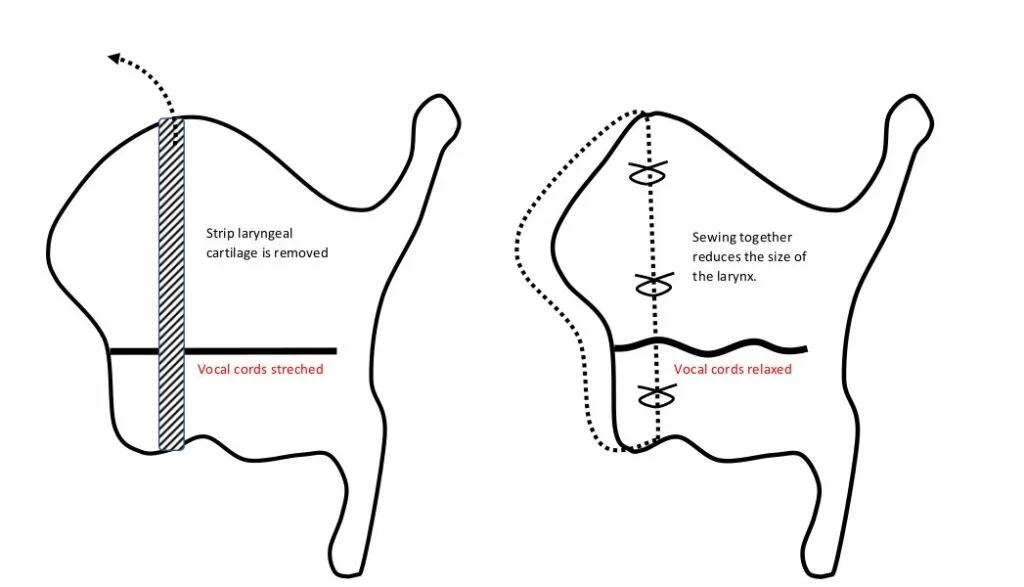
Voice deepening can sometimes be improved or adjusted, but it cannot always be fully reversed, depending on what caused the change. In cases where voice deepening is due to tension, vocal habits or misuse, voice therapy can often help restore comfort, flexibility and a more natural sound. Where structural changes are involved, such as hormonal […]
How To Develop A Deeper Singing Voice Without Strain
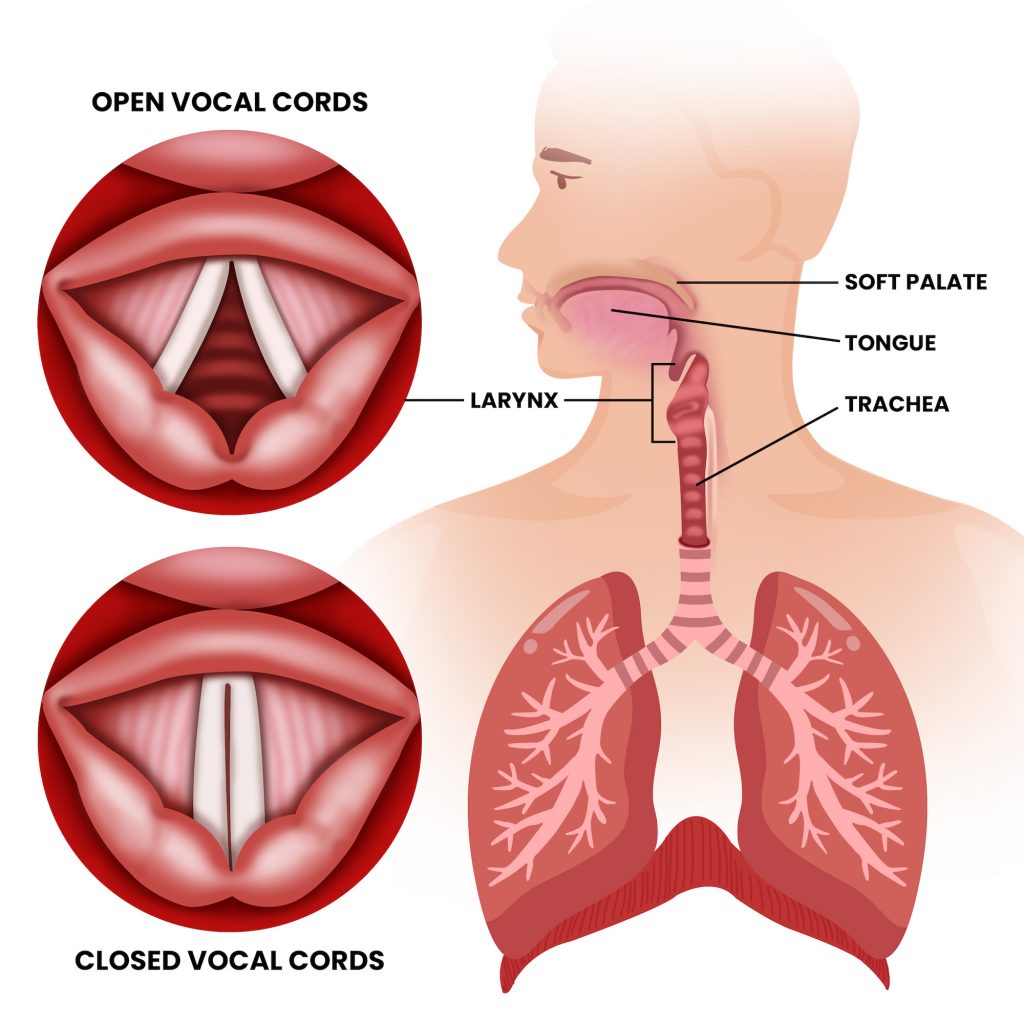
You can develop a deeper singing voice without strain by improving breath support, resonance and vocal efficiency rather than forcing your range lower. A healthy singing voice sounds deeper when it is relaxed, well-supported and balanced, not when it is pushed or imitated. For most singers, the goal is not to sing notes that sit […]
Does Voice Deepening Really Work? Treatments, Results and What to Expect

Yes, voice deepening can work when it is done through safe, evidence-based methods such as voice therapy. Most successful voice deepening focuses on improving how the voice is produced rather than forcing the pitch lower. With the right technique, many people achieve a voice that sounds deeper, steadier and more natural. Voice deepening does not […]
5 Exercises To Make Your Voice Deeper Safely And Naturally

There are five exercises that can help your voice sound deeper when practised safely: diaphragmatic breathing, humming, lip trills, gentle resonance work, and controlled pitch exploration. These exercises do not force the voice lower. Instead, they improve breath support, reduce tension and allow the voice to sound fuller and more grounded within its natural range. […]
Can Reflux or Heartburn Affect My Voice?

Yes. Reflux or heartburn can significantly affect your voice by irritating and inflaming the vocal cords. This condition, known as laryngopharyngeal reflux (LPR), occurs when stomach acid travels up the throat and reaches the larynx. Over time, the acid can cause hoarseness, throat clearing, or even voice loss if left untreated. How Does Reflux Damage […]
Can Age Affect the Sound or Strength of My Voice?

Yes. As we age, the voice naturally changes due to physical alterations in the vocal cords, respiratory system, and surrounding muscles. This process, known as presbyphonia (age-related voice change), can cause the voice to sound weaker, breathier, or less steady. However, with proper vocal care and therapy, many of these changes can be improved or […]
Why Does My Voice Get Tired or Hoarse After Talking All Day?

Vocal tiredness or hoarseness after prolonged talking usually happens due to vocal strain, dehydration, or overuse of the vocal cords. The tiny muscles that control your voice can fatigue just like any other muscle in the body, leading to reduced clarity, loss of range, or a raspy tone. Common Cause Description Typical Effect on Voice […]
How Can I Protect My Voice as a Singer or Performer?

You can protect your voice as a singer or performer by maintaining hydration, warming up and cooling down your voice, and avoiding strain. Proper technique, rest, and awareness of early signs of fatigue are key to preventing vocal injury and ensuring longevity in your career. Protective Habit Why It Matters Example Practice Warm-ups & Cool-downs […]