There are various foods that can relax your vocal cords including:
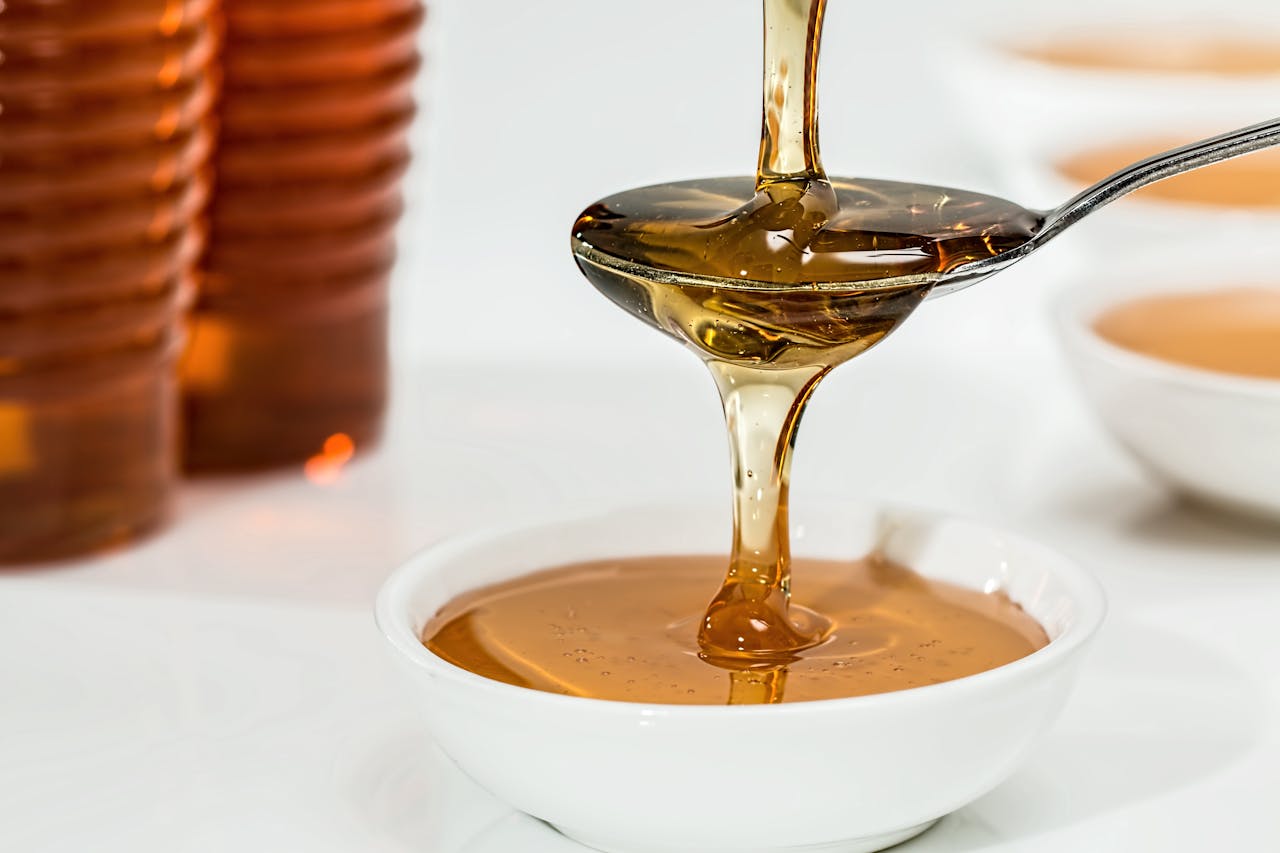
- Honey
- Fruits such as watermelon, cucumbers and oranges
- Warm drinks like soups, broths and porridge
- Berries, leafy greens and tomatoes
- Oats, yoghurt, and soft fruits
Diet plays a surprisingly important role in keeping your vocal cords healthy and relaxed. Like any muscles, they can become tight, irritated, or inflamed.
The right foods help your vocal cords by maintaining hydration, reduce inflammation, and support smooth muscle function. According to the British Voice Association, dehydration is one of the most common causes of vocal fatigue.
In fact, studies suggest that the vocal cords work best when the body is properly hydrated, as they need a thin layer of moisture to vibrate freely. Eating foods that support hydration and reduce irritation can therefore help relax the vocal cords and make speaking or singing feel easier.
Hydrating Foods That Support the Voice Cord
Watermelon, cucumbers and oranges.
Hydration is one of the most important factors for relaxed vocal cords. While drinking water is essential, certain foods also contain high levels of water and help keep the body hydrated throughout the day.
Fruits such as watermelon, cucumbers, and oranges are particularly helpful because they are more than 85 percent water.
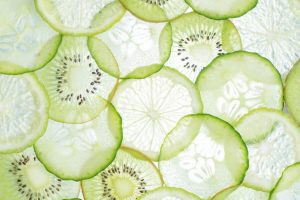
When the body is hydrated, the mucus lining the vocal cords remains thin and smooth, which allows them to vibrate with less effort.
Research in the field of Otolaryngology suggests that even mild dehydration can increase the effort required for vocal cord vibration. This means that foods rich in water content can indirectly help the voice feel more relaxed and less strained.
Warm and Soothing Foods For The Vocal Cords
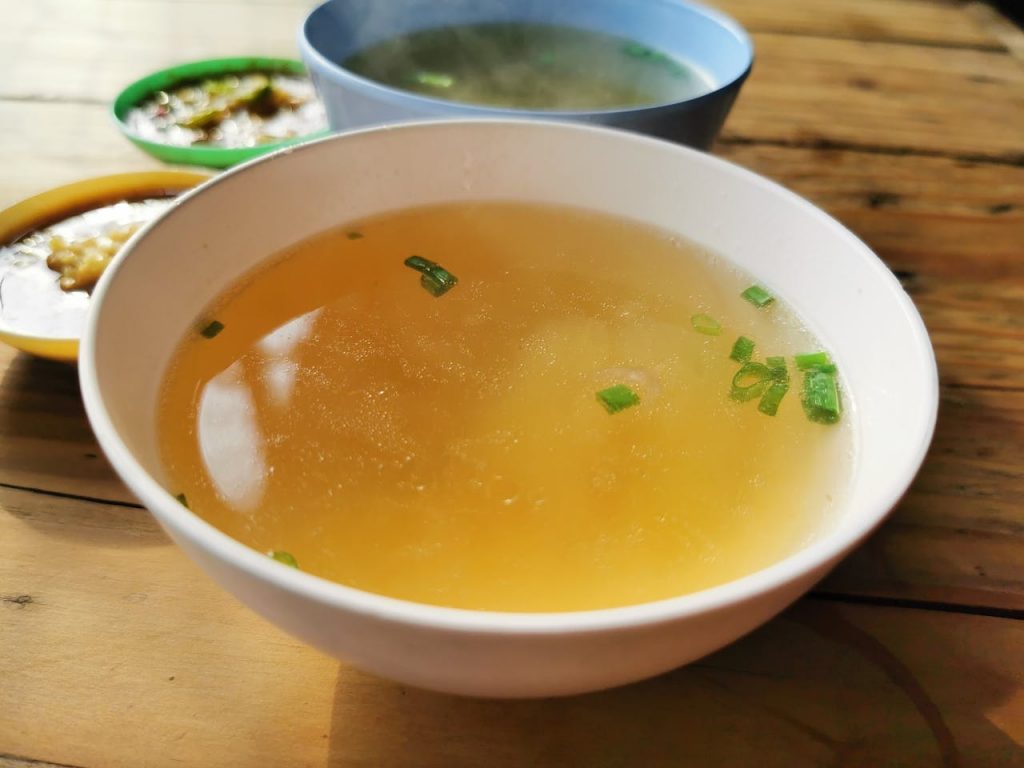
Soups, broths and warm porridge.
Warm foods and drinks can help relax the throat muscles and create a soothing effect on the voice. Soups, broths, and warm porridge are common choices for people who use their voice a lot. Warm temperatures increase blood flow to the throat area, which can help muscles loosen slightly.
Honey is another well-known soothing food. It coats the throat and may reduce irritation caused by dryness or frequent talking.
A study published in the National Health Service guidance on throat health notes that warm liquids can temporarily ease vocal discomfort. This is one reason why singers and speakers often drink warm tea with honey before performing.
Anti-Inflammatory Foods For Your Vocal Cords
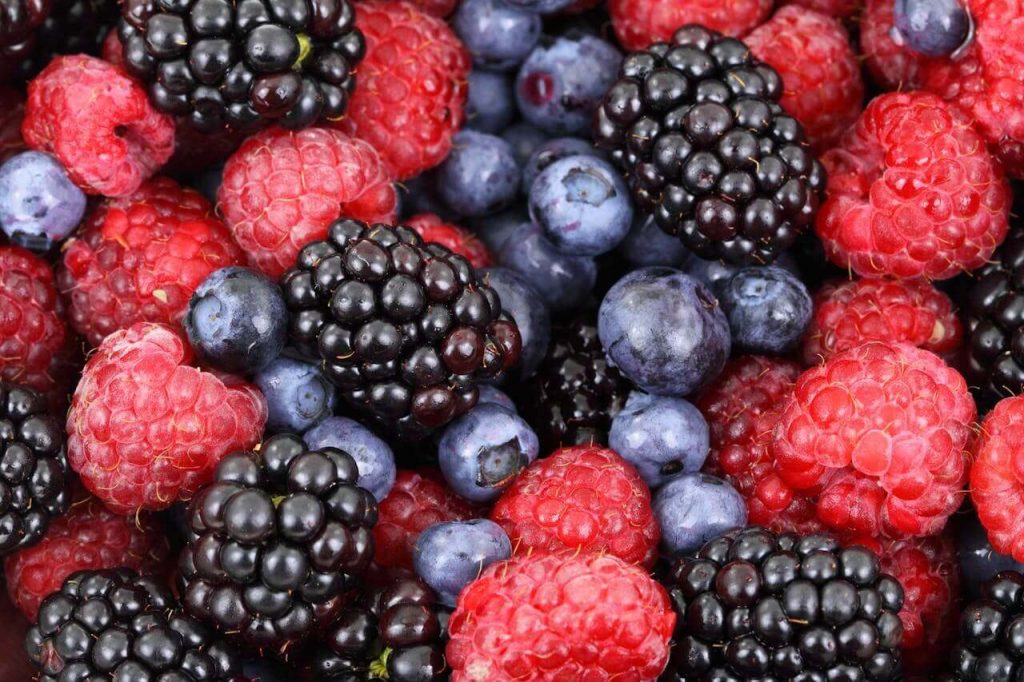
Berries, leafy greens and tomatoes.
Many fruits and vegetables contain antioxidants that help control inflammation in the body including berries, leafy greens, and tomatoes. Fatty fish such as salmon and mackerel are also useful because they contain omega-3 fatty acids.
These healthy fats support overall tissue health and may help reduce irritation in the throat. Nutrition research suggests that diets rich in anti-inflammatory foods can reduce inflammatory markers in the body by around 20 percent in some cases. While this does not directly target the vocal cords alone, it contributes to better muscle recovery and throat comfort.
Foods That Encourage Muscle Relaxation
Magnesium include bananas, spinach, almonds, and whole grains.
Some foods contain minerals that support muscle relaxation. Magnesium is one of the most important. It helps muscles release tension after contraction.
Foods rich in magnesium include bananas, spinach, almonds, and whole grains. Potassium also supports muscle function and fluid balance. Bananas and sweet potatoes provide good amounts of potassium and are easy on the throat. These nutrients do not act instantly, but regular consumption helps maintain balanced muscle activity in the body. Since the vocal cords are muscles, maintaining proper mineral intake can help them function smoothly and reduce the feeling of tightness.
Foods That Protect the Throat
Oats, yoghurt, and soft fruits.
Certain foods help protect the delicate tissues of the throat and voice box. Oats, yoghurt, and soft fruits are gentle and unlikely to irritate the vocal cords. These foods are also easy to swallow and do not create dryness in the mouth.
Foods rich in vitamin A, such as carrots and sweet potatoes, help maintain healthy mucous membranes. The mucous lining of the throat acts as a protective barrier that keeps the vocal cords lubricated. Without this protection, friction increases and the voice may feel strained.
A Balanced Diet for a Relaxed Voice
No single food can instantly relax the vocal cords, but a balanced diet plays a major role in vocal health. Hydrating fruits, warm foods, anti-inflammatory ingredients, and mineral-rich produce all contribute to a healthier voice.
Voice specialists often recommend combining these foods with good hydration and proper vocal rest. When the body is well nourished and hydrated, the vocal cords are more flexible and less likely to feel tight or tired. Over time, these dietary habits can help support clearer speech, easier singing, and a more relaxed voice overall.
Read Also
Vocal Cord Haemorrhage Treatment and Surgery